

Matilde | Early Escarole Seed
$6.72—$182.05gst incl.

*Matilde seed is offered as part of the “Gusto Italiano Project”, a collaborative partnership . Certified organic seed bred in Italy by Smarties.Bio
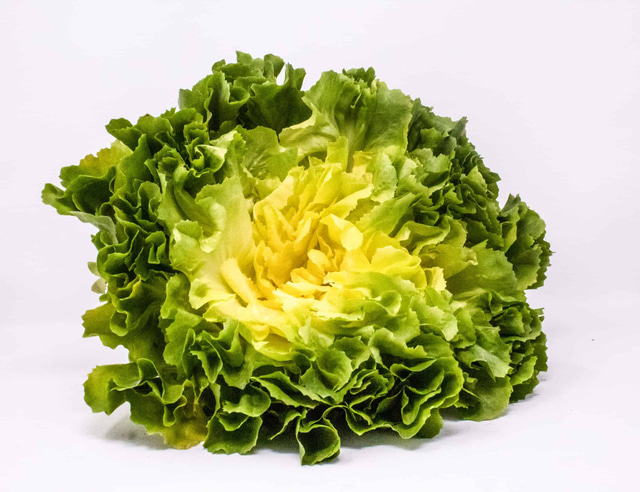
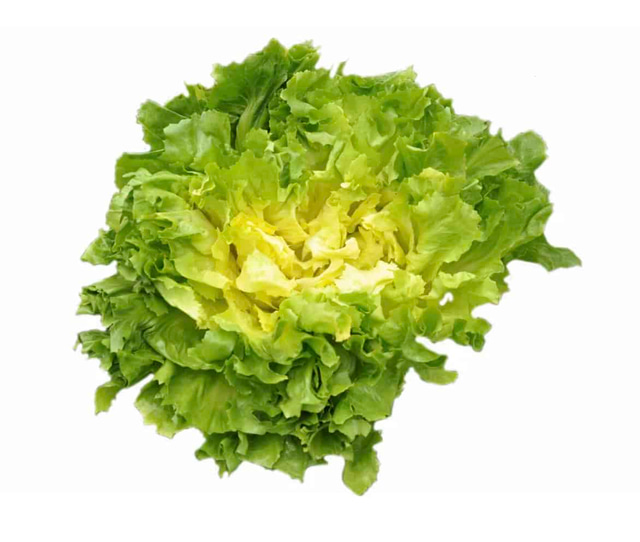
Matilde is an excellent market-quality Escarole for long day (early) cycles, with the highest flexibility of sowing dates for late summer through late autumn harvest periods. It has bright buttery yellow cores, excellent and uniform structure, and resistance to bolting and stem cracking.
Key features
- Variety for professional market, high uniformity, healthy plants
- Outstanding bolting resistance and tolerance to stalk cracking.
- Excellent structure of the plant, large leaf, white and turgid midrib, bright yellow core, large bottom.
- Flexible sowing for late summer through late autumn harvest
- Pelleted seed for precision sowing
- Suits fresh market and processing
- Days To Maturity from transplant: 50 Days
- Contact us for larger production quantities. Ref #SM4.36
Quantity
Categories
Plant Family
Growing Conditions
Collections
Brand Catalogue
Growing Information
LATIN NAME: Cichorium endivia.
CULTURE: Endive is hardy and can be planted as early as the soil can be worked. It is a cool weather crop and grows best at temperatures of 15.5-18.3C. Careful variety selection is important for hot weather plantings. Sow every 3 weeks for a continuous supply of fresh endive.
THERMAL DORMANCY: Endive seed can enter thermal dormancy when exposed to high temperatures above 25C. Optimum germination results at soil temperatures of 15.5-20C.
TRANSPLANTING: Sow in flats, 4 seeds/2.5cm, or in 19mm plug trays, barely covering seeds with fine vermiculite, 3-4 weeks before transplanting outdoors. Shade the flats on sunny, warm days if necessary to keep the soil surface cool, below 24C, until germination. If sowing into flats, transplant 2.5-5cm apart into flats, pots, or cell-type containers about 2 weeks later. Harden seedlings by reducing water and temperature for 2-3 days before planting outdoors. Properly hardened transplants can survive temperatures as low as -6C. Spacing closely at 20-25cm encourages these varieties’ self-blanching characteristics.
DIRECT SEEDING: Seeds will germinate from 5-29C, but the highest germination percentage will occur around 24C, depending on the variety and seed lot. Sow seeds 2.5cm apart, rows 30-45cm apart. Cover seed lightly, about 3mm, and firm soil gently. Dry soil must be watered to ensure coolness and moisture, and for uniform germination. Thin the seedlings 20cm apart as soon as they are large enough to handle.
SALAD MIX/BABY LEAF: Sow in a 5-10cm wide band, about 60 seeds/30cm. Cover seeds lightly, about 3mm. Firm soil gently, and keep surface moist until emergence in 3-5 days (or longer in cold weather). Harvest at 4-5 weeks.
HARVEST: Clip individual leaves or harvest whole head by cutting with a knife just above the root attachment. Cool quickly by dunking in cold water, drain, and refrigerate.
BLANCHING: Wide broad-leaved rosettes grow in autumn and are usually tied (or on small scale covered with cloches) a couple weeks prior to harvest to blanche the hearts, some varieties will self blanch without this requirement.
DAYS TO MATURITY: Baby leaf maturities are from direct seeding. Other maturities listed are from transplant; add about 10 days if direct seeding.
AVG. DIRECT SEEDING RATE – BUNCHING: 1M/55m, 5M/28m, 25M/1.25km, 175M/acre at 6 seeds/30cm in rows 45cm apart.
AVG. DIRECT SEEDING RATE – BABY LEAF: Sow in 5-10cm wide bands, 6 seeds/2.5cm, 1M/4m; 5M/24m; 83metres/30g; 1.25km/500g.
TRANSPLANTS: 2 seeds per cell, thinned to one seedling.
SEED SPECS: SEEDS/1,000 pelleted seeds/37 grams
Quick Facts
- Latin Name: Cichorium endivia
- Days To Maturity from transplant: 50 Days
- Life Cycle: Annual
- Hybrid Status: Open pollinated