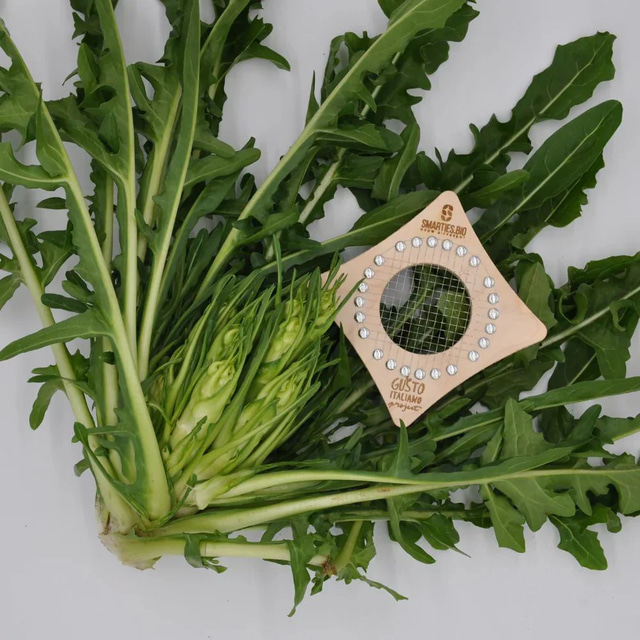


Medusa | Puntarelle di Galatina Chicory Seed
$7.50—$149.79gst incl.

*This seed is offered as part of the “Gusto Italiano Project”, a collaborative partnership. Organically grown seed bred in Italy by Smarties.Bio
Medusa (ex #SM4.33) is a Puntarelle di Galatina strain that has vastly raised the bar of success in cool climates, with trial plot showing very uniform heading and size. The timing of planting is very important
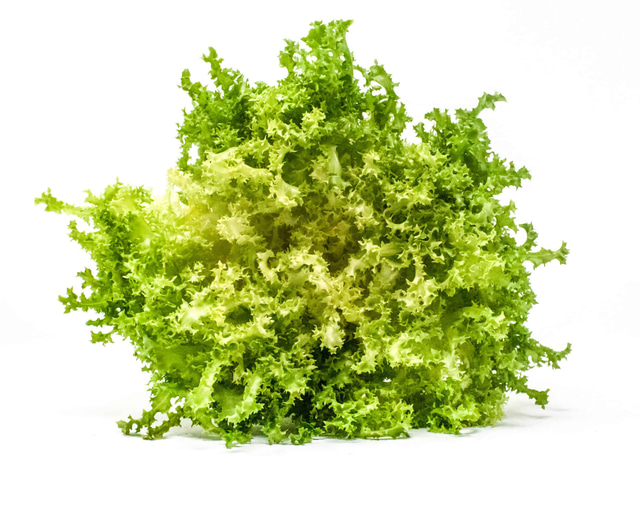
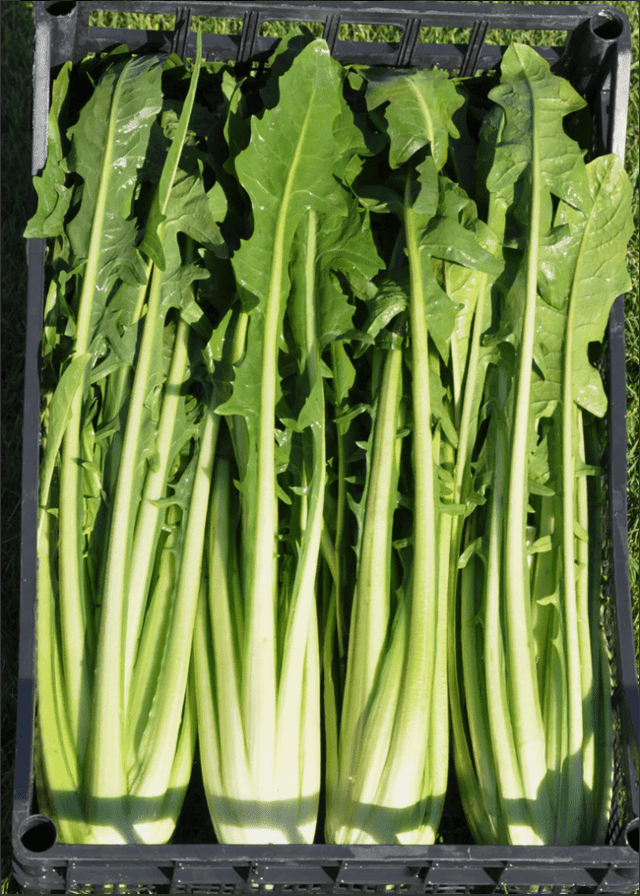
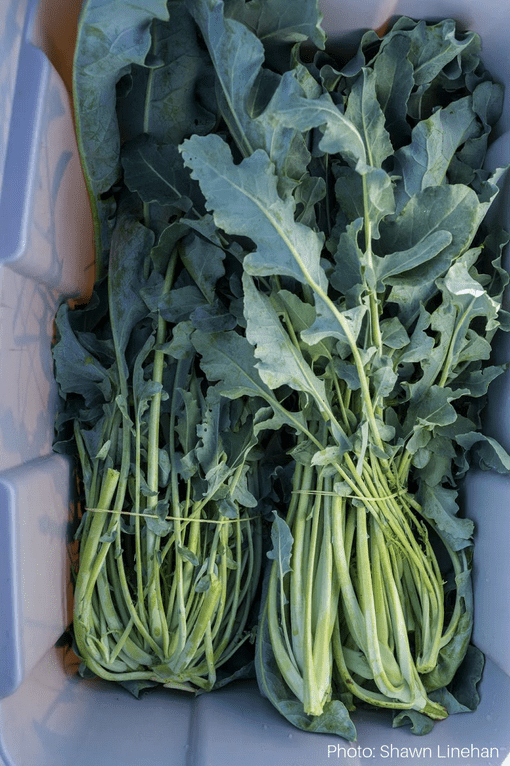
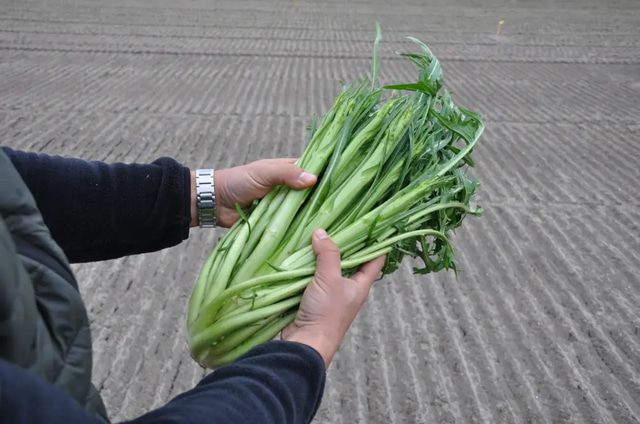
Traditionally grown in the region around Rome, puntarelle is unique among the chicories in that it is the young, hollow bolting shoots that are usually eaten rather than the leaves. They grow into dense beautiful “heads” (referred to as “pigna” or pinecones in Italy) with many points that, upon harvest, are separated, julienned into thin strips, and soaked in cold water to remove some of the bitterness while developing an elegant curl. In Roman markets vendors can be found prepping the greens using a taglia puntarelle, a tool consisting of a fine wire grid which the stems are pushed through to finely slice them for soaking
The texture of Medusa is crisp and crunchy with the lovely refreshing bitterness of its radicchio siblings. In Rome Puntarelle alla Romana, thin strips of puntarelle in an anchovy, garlic, vinegar, and olive oil dressing, is a quintessential winter salad. There it is mainly a winter vegetable, but because bolting is triggered by photoperiod (day length, or more accurately night-length) it generally heads much earlier at more southerly latitudes, usually between mid-April and mid-May.
Key features
- Pelleted seed for ease and precision sowing
- Days to Maturity from transplant: 60 days (early cycle)
- Improved breeding of Catalogna type, Puntarelle di Galatina
- Compact head, upright and full stems
- Cold hardy
- Suits fresh market
Quantity
Categories
Plant Family
Notifications
Growing Conditions
Brand Catalogue
Growing Information
Medusa | Puntarelle di Galatina Chicory Seed
SCIENTIFIC NAME: Cichorium intybus
CULTURE: Puntarelle di Galantina, a Catalogna type is hardy and can be planted as early as the soil can be worked. A cool-weather crop, it grows best at temperatures of 15.5-18.5°C. Catalogna seed as with radicchio enters thermal dormancy when exposed to high temperatures above 25°C. Optimum germination results at soil temperatures of 15.5-20°C.
TRANSPLANTING: Sow in 19mm plug trays, covering seeds with 1-3mm of fine vermiculite, transplanting outdoors 3-4 weeks later. Shade the flats on sunny, warm days, if necessary, to keep the soil surface cool, 24°C, until germination. Harden seedlings by reducing water and temperature for 2-3 days before planting outdoors. When hardened transplants can survive temperatures as low as -6°C. For full-size bunches, space 10-15cm apart and clip leaves at any stage, ideally less than 25cm tall.
DIRECT SEEDING: Sow seeds 25mm apart in rows 30-45cm apart. Cover seed lightly, about 3mm, and firm soil gently. Thin to 10-15cm apart as soon as seedlings are large enough to handle. Dry soil must be watered to ensure coolness and moisture, and for uniform germination.
SUCCESSION PLANTING: Sowing every 3 weeks will provide a continuous supply.
HARVEST: Very early selection but so much plastic that can be grown until late transplanting providing timed succession harvests.