

Waltham | Butternut Pumpkin Seed
$6.29—$105.22gst incl.

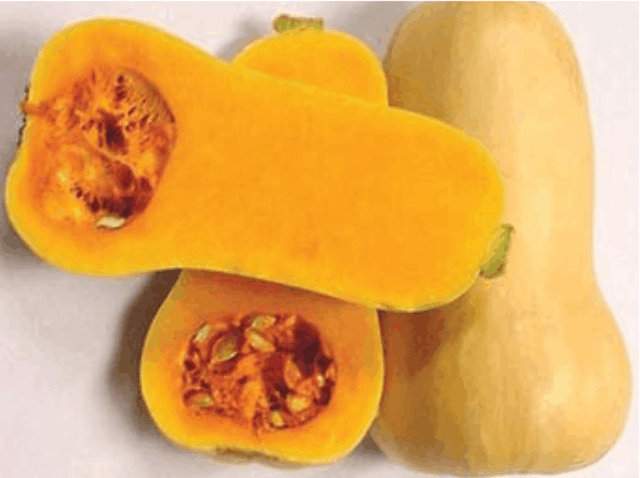
Blocky fruit with a firm smooth rind
Open pollinated variety of Waltham, with tan skin colour and small seed cavity
Key features
- Mustard yellow, deep orange fruit are tapered to the stem end
- Reasonable storage quality
- Days to maturity from sowing: 112 – 126 days
- Pear 18 x 10cm
- Avg. 5,000 seeds/500g
Quantity
Categories
Plant Family
Notifications
Growing Conditions
Harvest Season
Growing Information
SCIENTIFIC NAME: Cucurbita moschata
CULTURE: Fertile, well-drained soil with a pH of 6.0–6.8 is best. Plastic mulch and fabric row covers can aide plant establishment and exclude insect pests during the seedling stage. Row covers should be removed when plants begin to flower to allow for pollination. Poor fruit development may indicate insufficient pollination.
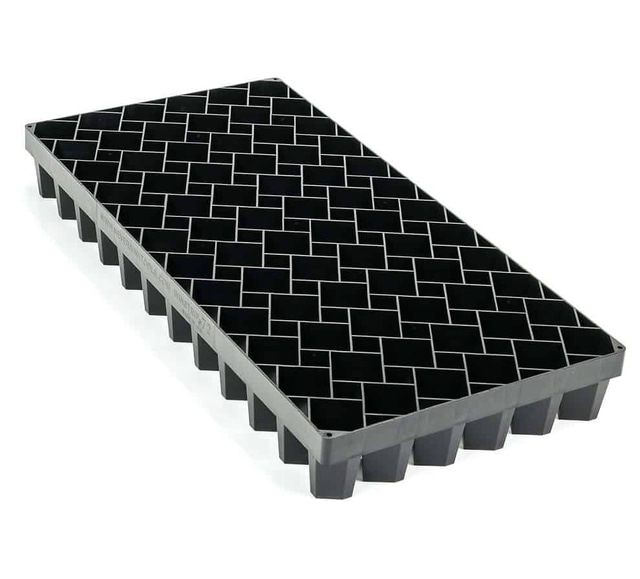
TRANSPLANTING: Sow 2-3 seeds per 5cm container or plug flat about 3 weeks prior to transplanting. Thin to 1 plant/container or cell with scissors. Harden plants 4–7 days prior to transplanting. After danger of frost has passed, transplant out according to the spacing recommendations for each variety. Handle seedlings carefully; minimal root disturbance is best.
DIRECT SEEDING: Sow 2 seeds at the appropriate spacing interval for the variety’s vine length, 13-25mm deep. Thin to 1 plant per spacing interval after seedlings are established.
PLANT SPACING: Bush to short-vine habits generally require 2 metres between-row spacing, while long-vine habits require 4 metres between-row spacing. In-row spacing depends on fruit size as well as vine length and is generally: small fruit/bush or short vine type: 45-60cm; medium fruit and vine length: 60-90cm; large fruit or long vine length: 90-120cm.
DISEASES: Common cucurbit diseases include powdery mildew, downy mildew, bacterial wilt, and phytophthora. Avoid problems by ensuring adequate soil drainage, good air flow, insect pest control, and crop rotation.
INSECT PESTS: Cucumber beetles, squash bugs, and vine borers are all common pests for cucurbits. Protect young plants with floating row cover. Squash bug eggs found on the undersides of leaves may be crushed by hand. For vine borers, cut out of vines and hill soil over the wound. Keep field borders mowed and remove plant refuse in autumn; spring plow to bury pupae. C. moschata types are less susceptible to vine borers. Pyrethrin sprays may offer some control.
HARVEST: Fruits are typically ready about 50-55 days after fruit set, and should be harvested before any hard frosts. Cut fruits from vines and handle carefully. Sun cure by exposing fruits for 5-7 days or cure indoors by keeping squash at 27-29°C and 80-85% relative humidity (RH) with good air ventilation.
STORAGE: Store at 10-13°C, 50-75% RH and good ventilation. Repeated exposure to temperatures below 10°C may cause chilling damage. Different types of squash have different storage times and optimal eating periods.
DAYS TO MATURITY: From direct seeding; subtract about 14 days if transplanting.
AVG. DIRECT SEEDING RATES: (at 2 seeds/30cm, rows 2m apart) 30g/50m, 500g/800m, 1.36kg/acre.
SEED SPECS: See individual varieties.