

Columbia | F1 Lebanese Zucchini seed
$6.90—$135.65gst incl.

Columbia is highly recommended for any areas growing Lebanese fruit types
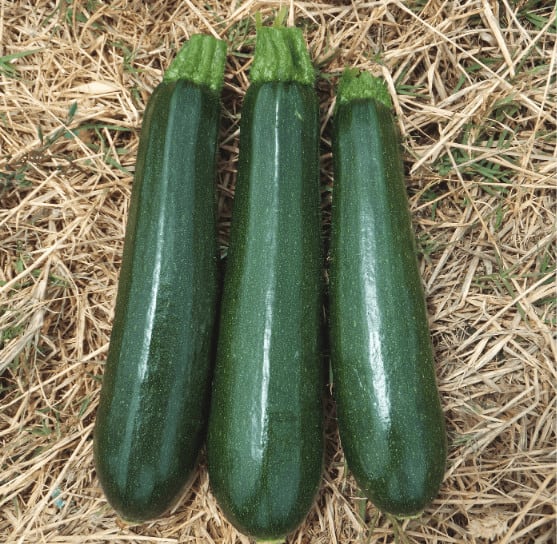
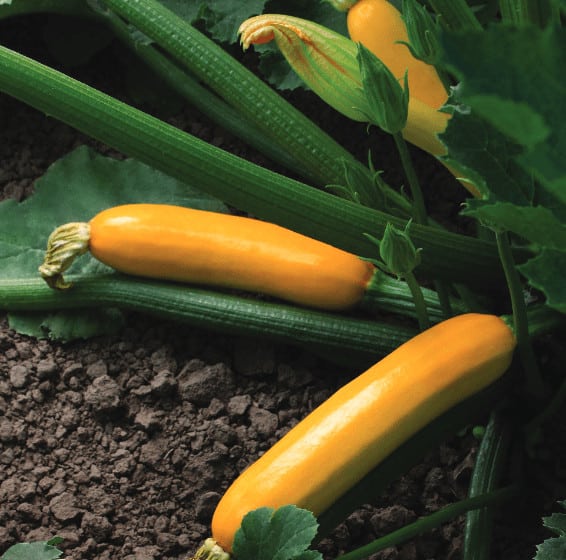
With an upright open plant habit, Columbia produces fruit of exceptional quality with a nice glossy clean skin. Columbia has become a major variety in the Sydney basin and is well suited to both open field and covered cropping
Key features
- Multi virus tolerant Lebanese type
- Upright open plant
- Exceptional fruit quality with glossy clean skin
- Disease Resistance – Intermediate Resistance: WMV, ZYMV
Quantity
Categories
Tags
Plant Family
Notifications
Growing Conditions
Brand Catalogue
Growing Information
SCIENTIFIC NAME: Cucurbita pepo
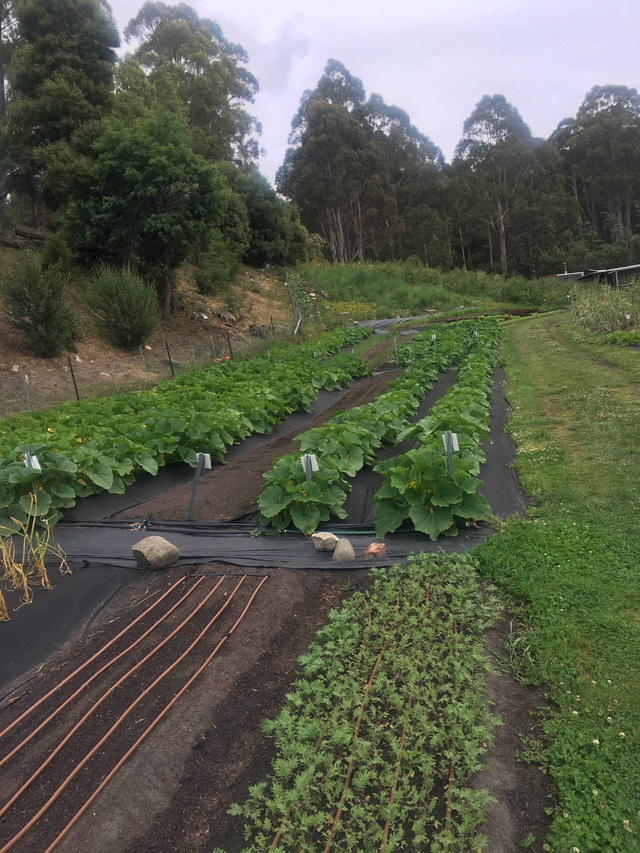
CULTURE: Fertile, well-drained soil with a pH of 5.8-6.8 is best. Plastic mulch and fabric row covers (AG-19 grade) can aide plant establishment and exclude insect pests during the seedling stage. Row covers should be removed when plants begin to flower. Poor fruit development may indicate insufficient pollination. For highest quality fruit, succession plantings every 2-3 weeks may be needed.
PLANT SPACING: Space plants 45-60cm apart in rows 1.2-2 metres apart. Wider spacing may allow for easier harvesting.
DISEASES: Common cucurbit diseases include powdery mildew, downy mildew, bacterial wilt, and phytophthora. Avoid problems with adequate soil drainage, good air flow, insect pest control, and crop rotation. If necessary, check with your local Cooperative Extension Service agent for specific control options.
INSECT PESTS: Cucumber beetles, squash bugs, and vine borers are all common pests for cucurbits. Protect young plants with floating row cover. Squash bug eggs found on the undersides of leaves may be crushed by hand. For vine borers, cut out of vines and hill soil over the wound. Keep field borders mowed and remove plant refuse in autumn; spring plow to bury pupae. Pyrethrin sprays may offer some control.
HARVEST FRUIT: For some varieties, it is common for the first fruits to be malformed, wither, or blacken, which indicates poor pollination and is usually remedied as more male flowers appear. Harvest regularly, 2-3 times a week, once plants begin to produce. Cut or gently twist off fruits when they have reached the desired size. For patty pan and round, 50-75mm in diameter. Handle with care to avoid scratching fruits.
HARVEST BLOSSOMS: Harvest male blossoms (with thin stems) or female blossoms (with thick stems and an immature fruit at the base of the flower) in mid to late morning when fully open. Clip flowers 25-50mm below flower base. If a squash fruit crop is also desired from the same planting, only harvest male flowers, leaving a few to pollinate the female flowers.
STORAGE Keep fruit at 5-10C, 95% relative humidity for up to 2 weeks. Use as soon as possible for best quality.
DAYS TO MATURITY: From direct seeding; subtract about 14 days if transplanting.
AVG. DIRECT SEEDING RATE:: (at 3 seeds/30cm., rows 1.2-2 metres apart) 250 seeds/25metres, 500 seeds/50metres, 1,000 seeds/100metres.
SEED SPECS: SEEDS/500grams: Specialty: Avg. 4,600.